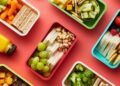













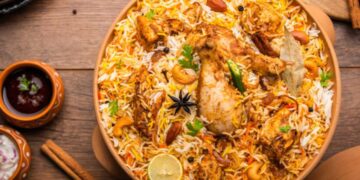
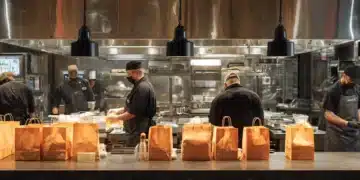












How to start a cloud kitchen is a key question today, as cloud kitchens (also called ghost kitchens or virtual kitchens) have become one of the fastest‑growing segments in food service, with the global market expected to cross USD 220 billion by the early 2030s. This updated guide shows you how to start and run a successful cloud kitchen business in 2026, covering everything from concept and setup to marketing, technology, and scaling your operations.
What is a cloud kitchen?
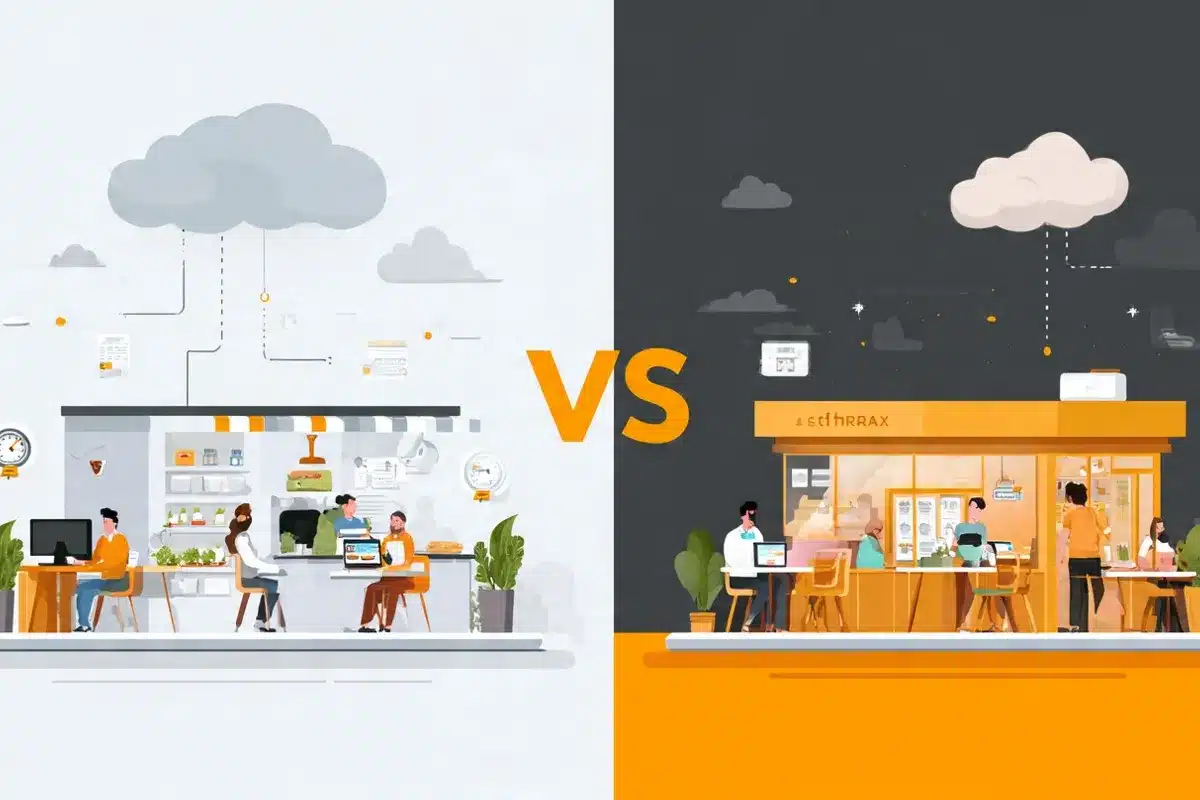
A cloud kitchen is a delivery‑only restaurant that operates from a commercial kitchen without dine‑in space, serving customers through apps and online orders. Orders typically come via platforms like Swiggy, Zomato, DoorDash, Uber Eats, or a brand’s own website and app.
Key characteristics of a cloud kitchen
-
No front‑of‑house or dining area
-
Lower rent and staffing overheads than traditional restaurants
-
Heavy reliance on food delivery platforms and digital marketing
This model lets you start a food brand with less capital, test menus faster, and scale across locations more easily than a conventional restaurant.
Why cloud kitchens are booming in 2026
The cloud kitchen market is growing rapidly due to changing consumer habits and advances in delivery technology. Busy urban lifestyles, rising online food delivery usage, and demand for convenience make delivery‑only brands very attractive.
Growth snapshot
-
Global market value estimated around USD 80–82 billion in 2025
-
Forecast to more than double by 2033–2034, with annual growth near 10–12%
For entrepreneurs, this means a large and expanding opportunity with relatively lower risk and faster payback compared with a full‑service restaurant.
Cloud kitchen vs traditional restaurant
| Aspect | Cloud kitchen (ghost/virtual) | Traditional restaurant |
|---|---|---|
| Customer access | Online delivery apps and website orders | Walk‑in, dine‑in, takeaway, sometimes delivery |
| Space requirements | Back‑of‑house kitchen; no dining area | Dining area, décor, service area |
| Startup costs | Lower rent, fit‑out, and staffing | Higher due to location, interiors, and staff |
| Revenue drivers | Order volume and delivery efficiency | Foot traffic, location, and in‑house experience |
| Scalability | Easier to clone or add virtual brands | Slower, more capital‑intensive |
Choosing your cloud kitchen business model

There are several cloud kitchen business models, and your choice affects costs, branding, and growth options.
Common models
-
Single‑brand cloud kitchen: One cuisine or concept in one kitchen; simple to manage and ideal for beginners.
-
Multi‑brand kitchen: Several virtual brands run from the same kitchen and staff (for example, pizza, bowls, and desserts from one site).
-
Aggregator‑managed kitchen: Food delivery platforms host multiple brands in shared facilities, charging rent or revenue share.
-
Franchise cloud kitchen: You operate a well‑known virtual brand under a franchise or licensing arrangement.
When starting out, many owners pick a single‑brand or two‑brand kitchen to control complexity and then add more virtual brands once operations are smooth.
Step‑by‑step guide to starting a cloud kitchen
1. Research your market and niche
Strong market research reduces risk and helps you design a menu that actually sells.
Focus on:
-
Local demand for cuisines (pizza, biryani, Asian bowls, health foods, etc.)
-
Price points that work in your delivery radius
-
Competitor ratings, reviews, and popular menu items on major apps
Look for gaps such as healthy office lunches, late‑night delivery, vegan options, or regional comfort food that existing players are not serving well.
2. Define your concept, brand and menu
A clear concept makes marketing easier and improves repeat orders. Decide on:
-
Cuisine focus (fast‑casual, comfort, healthy, premium, budget‑friendly)
-
Brand name, logo, and tone of voice
-
Menu that travels well and can be prepared
Keep the early menu tight and focused:
-
10–20 core dishes that are profitable and easy to reproduce
-
Items designed for 20–30 minute preparation and good packaging
Setting up your cloud kitchen space
3. Choose the right location
Location still matters for a cloud kitchen, but in a different way than for a dine‑in restaurant.
Consider:
-
Dense residential or office clusters within a 5–8 km delivery radius
-
Mid‑range rental markets or industrial/commercial areas with lower rents
-
Access and parking for delivery riders to pick up orders smoothly
Many entrepreneurs use shared or co‑working kitchen spaces, which offer licensed equipment and utilities on a rental or pay‑per‑use basis.
4. Licenses, registrations and compliance
Even without dine‑in, you must comply with food safety and business regulations.
Typical requirements include:
-
Food safety license or registration (such as FSSAI in India)
-
Business registration (sole proprietorship, partnership, LLP or company)
-
Local health, fire, and municipal permissions, depending on your region
Proper licensing builds trust with aggregators and customers and protects you if inspections occur.
Essential equipment and kitchen layout
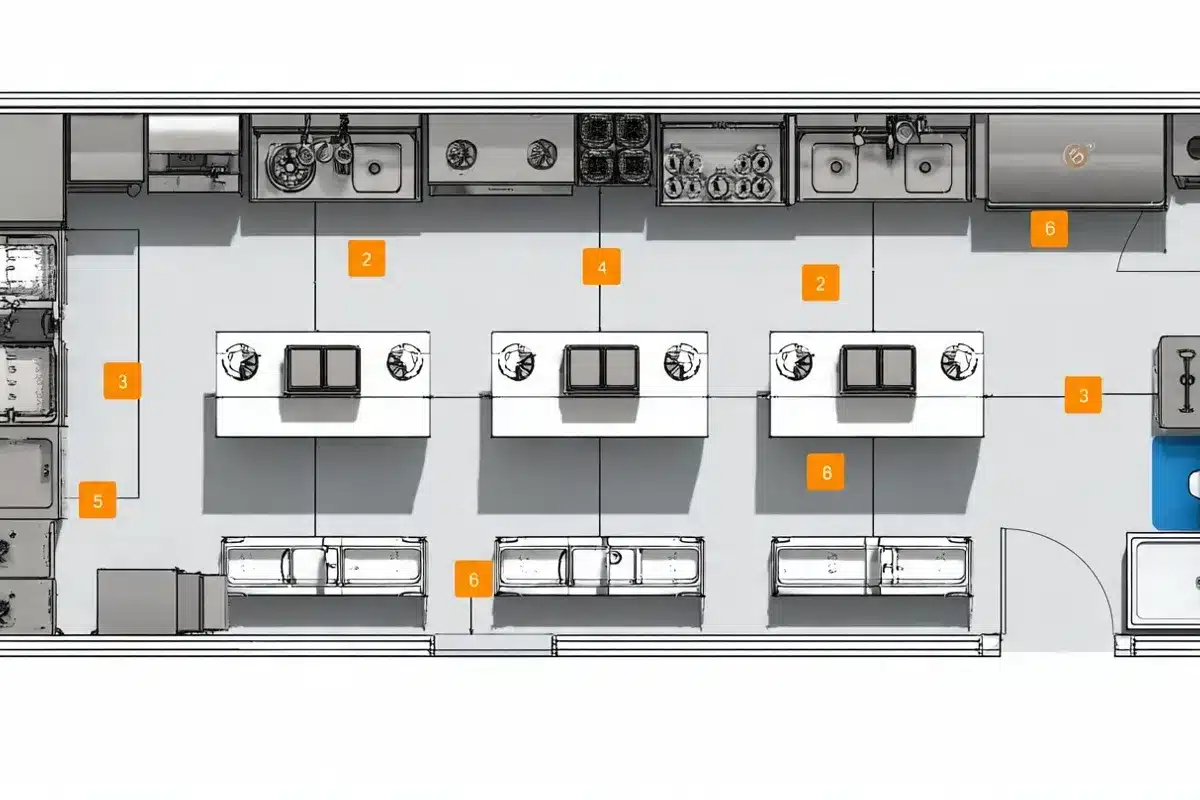
5. Equip your kitchen for efficiency
Your equipment depends on the menu, but most cloud kitchens need a compact, efficient setup.
Common essentials:
-
Cooking: Gas burners, ovens or tandoor, fryers, grills, induction ranges
-
Storage: Refrigerators, deep freezers, dry storage racks
-
Prep: Stainless‑steel tables, knives, chopping boards, mixers, blenders
-
Hygiene: Sinks, exhaust and ventilation, pest control, cleaning supplies
Plan the layout so food flows from storage → prep → cooking → packing → dispatch in a straight, logical line to avoid bottlenecks and cross‑contamination.
6. Packaging that protects food and your brand
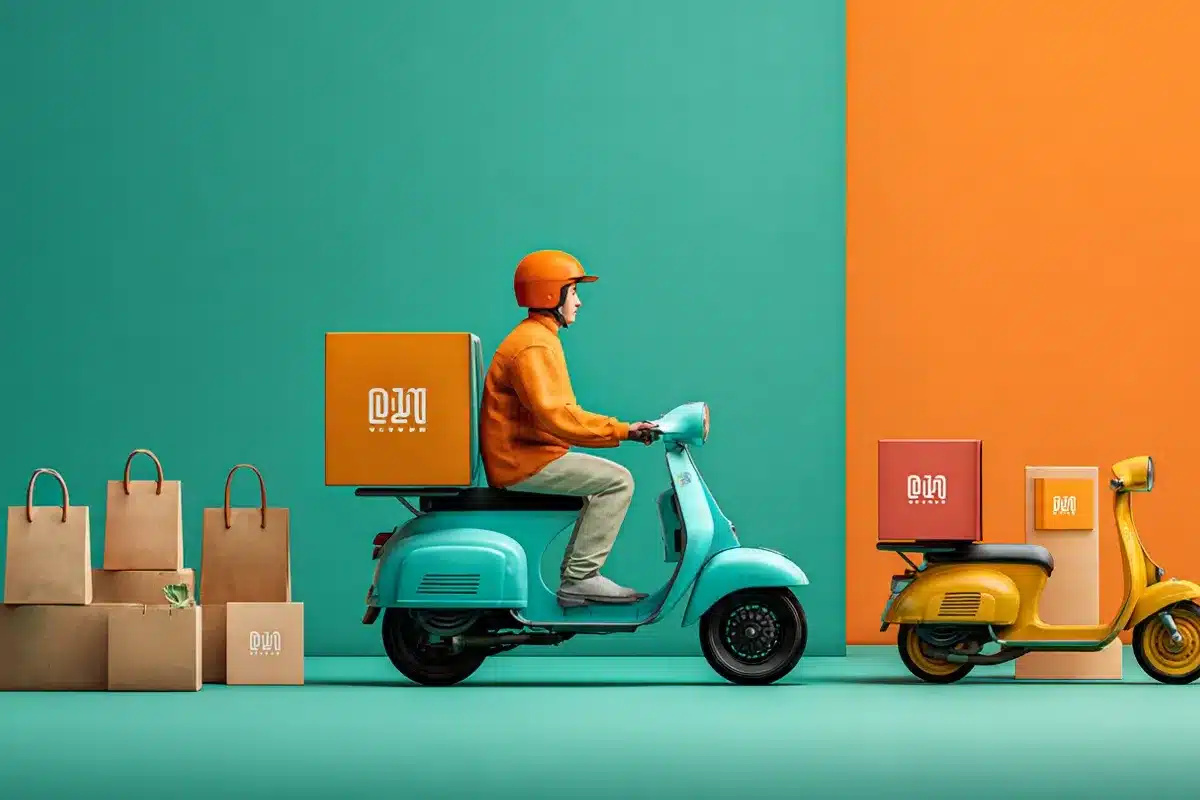
Packaging is critical in a delivery‑only model because it is both your first impression and a quality safeguard.
Best practices:
-
Use sturdy, leak‑proof containers that retain heat and texture
-
Separate wet and dry items to maintain freshness
-
Add branding such as stickers or sleeves to increase recall
-
Choose recyclable or sustainable materials where possible
High‑quality packaging reduces complaints, improves ratings, and makes it easier for customers to reorder confidently.
Building your cloud kitchen team
You can run a small cloud kitchen with a lean team, then add staff as orders grow.
Typical roles:
-
Head or lead cook responsible for quality and consistency
-
1–3 line cooks or kitchen assistants, depending on volume
-
Packer/expeditor to check orders, pack them, and hand them to riders
-
Manager (can be the owner) to handle inventory, suppliers, and platforms
Cross‑train staff so they can help with prep, cooking, and packing during peak times to keep labor costs optimized.
Technology and software for cloud kitchens
Cloud kitchens depend on technology to manage orders, menus, and operations.
Useful tools:
-
POS and order management: Consolidate orders from multiple delivery apps into a single dashboard to avoid errors.
-
Inventory and recipe costing software: Track stock, reduce waste, and maintain food costs.
-
Integrated delivery platforms: Connect with aggregators and your own website or app for seamless ordering and real‑time tracking.
Many ghost kitchens also use data analytics from these systems to refine menus, identify bestsellers, and plan promotions.
Listing on delivery platforms and setting prices
7. Partner with delivery apps
Partnering with major delivery aggregators gives you instant visibility but also requires careful commission management.
Steps:
-
Register your business and upload documents (licenses, bank details, tax info).
-
Create your digital menu with high‑quality photos and clear descriptions.
-
Set delivery radius and working hours that match your kitchen capacity.
Start with attractive yet sustainable offers such as introductory discounts or free delivery, then refine as you see order patterns.
8. Build your own order channels
To reduce long‑term dependence on aggregators, create direct order channels:
-
Mobile‑friendly website with online ordering
-
Branded app where viable
-
WhatsApp or phone ordering for local customers
Direct orders usually have higher margins because they avoid aggregator commissions, especially if you handle your own delivery in a tight area.
Marketing your cloud kitchen for SEO and visibility
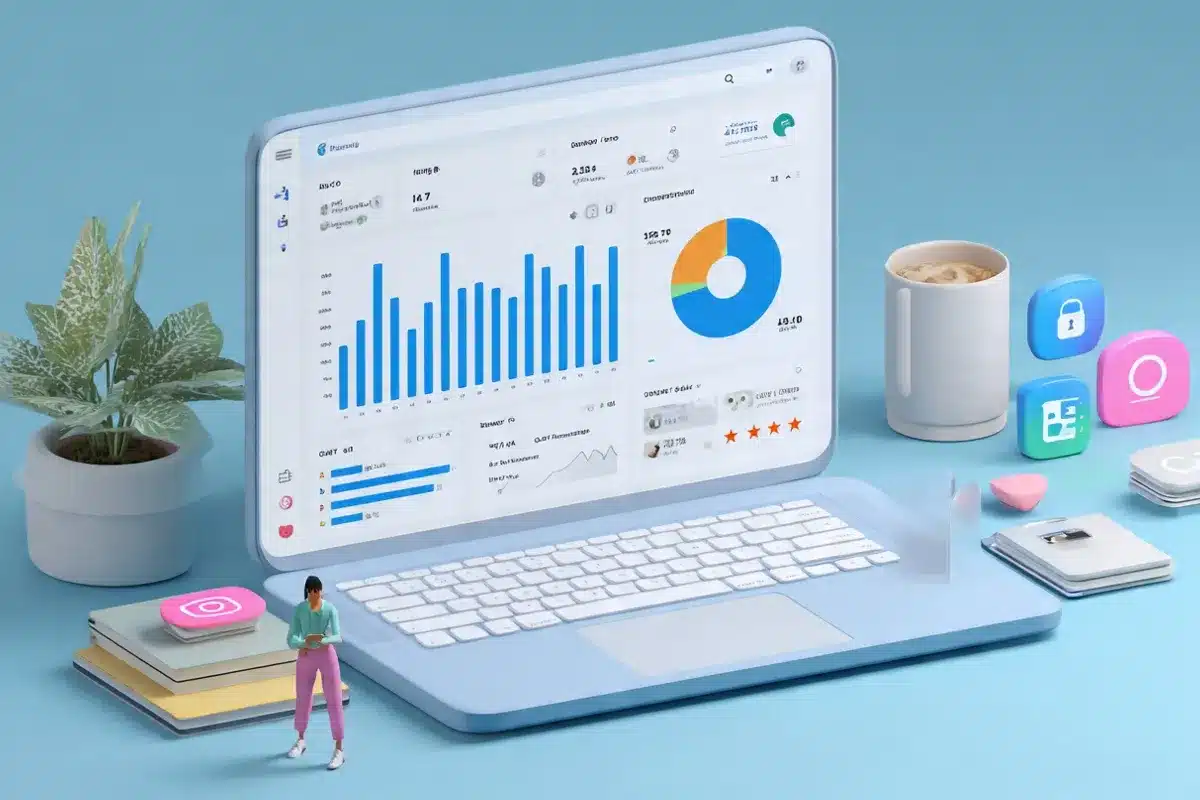
9. Optimize for local search and delivery SEO
Even as a virtual brand, you still rely heavily on local visibility.
Key actions:
-
Create and optimize a Google Business Profile with address (or service area), phone, and working hours.
-
Use location‑based keywords such as “cloud kitchen in [city]”, “delivery kitchen near me”, or “healthy meal delivery [area]” in your website content and meta tags.
-
Encourage satisfied customers to leave positive reviews and respond to all reviews professionally.
This improves your chance of appearing in local search results and map packs, which drive high‑intent traffic.
10. Leverage social media and content
Use social platforms to build a personality around your brand:
-
Share behind‑the‑scenes kitchen clips, prep videos, and chef tips.
-
Run limited‑time offers or combo deals for followers.
-
Collaborate with local micro‑influencers who focus on food or lifestyle.
Blog content around topics like “healthy office lunch ideas” or “best late‑night snacks in [city]” can also help your site rank for long‑tail keywords and attract organic traffic.
Financial planning and unit economics
Understanding your unit economics is essential to make a cloud kitchen truly profitable.
Track:
-
Food cost percentage: Aim for a sustainable ratio after factoring aggregator commissions.
-
Labor cost: Keep staff lean, especially in early months.
-
Rent and utilities: Lower space costs are a primary advantage of cloud kitchens.
-
Average order value (AOV) and contribution margin per order.
Use promotions to increase AOV (for example, add‑on desserts or sides) rather than just discounting core items, so margins remain healthy.
Quality control and customer experience
Although customers never see your dining area, they experience your brand through taste, packaging, timing, and communication.
Best practices:
-
Standardize recipes and portion sizes using clear SOPs.
-
Set internal time targets for order acceptance, preparation, and dispatch.
-
Monitor ratings and reviews daily, address complaints quickly, and adjust recipes or packaging based on patterns.
Consistent quality and responsive support are critical to improving ratings on delivery apps, which directly influence ranking and order volume.
Scaling and adding virtual brands
Once your first kitchen is stable and profitable, you can scale horizontally and vertically.
Options:
-
Add new virtual brands that use the same ingredients and equipment (for example, a salad brand alongside a bowl brand).
-
Open additional kitchens in new delivery zones to cut delivery times and tap new neighborhoods.
-
Explore franchising or licensing your concept to partners.
Using performance data from each brand, you can drop under‑performers, promote winning items, and continuously refine your portfolio.
Example: Lean cloud kitchen launch
Many successful operators now follow a lean launch approach:
-
Start from a compact 250–400 sq ft kitchen in a mid‑rent area.
-
Focus on one cuisine (for example, rice bowls or burgers) with 12–15 items.
-
Partner with 2–3 major delivery platforms plus a simple website ordering page.
-
Spend the first 3–6 months optimizing ratings, AOV, and repeat orders before adding more brands or menu lines.
This staged strategy reduces wasted investment and uses real customer data to drive growth decisions.
Quick FAQ: Cloud kitchens in 2026
1. Is a cloud kitchen profitable?
Yes, cloud kitchens can be profitable because they avoid high front‑of‑house costs, but success depends on controlling food and delivery costs, maintaining strong ratings, and achieving sufficient order volume.
2. How much does it cost to start a cloud kitchen?
Startup costs vary by country and city, but they are usually substantially lower than for a dine‑in restaurant because you can choose lower‑rent locations and need fewer staff and interiors.
3. What food works best in a cloud kitchen?
Dishes that travel well, stay appetizing after 20–40 minutes, and are easy to standardize—such as bowls, burgers, pizza, biryani, Asian stir‑fries, or meal boxes—tend to perform well.
4. Do I need my own delivery fleet?
Not necessarily; many cloud kitchens rely on third‑party platforms for delivery, although some add their own riders in dense areas to improve margins and control customer experience.
5. How do I get more orders?
Improve your ratings and photos on delivery apps, run targeted promotions, optimize for local SEO, and engage customers on social media to build brand recall and repeat orders.
6. Can I run multiple brands from one kitchen?
Yes, many operators run several virtual brands from a single kitchen by designing menus that share ingredients and equipment while targeting different customer segments.
7. What are the main risks of a cloud kitchen?
Key risks include high dependence on delivery apps, intense competition, margin pressure from commissions and discounts, and the need to maintain strict hygiene and quality without face‑to‑face customer contact.
References:
- https://www.precedenceresearch.com/cloud-kitchen-market
- https://www.mentorpos.com/the-rise-of-ghost-kitchens-technology-behind-the-trend/
- https://www.thefoodcorridor.com/blog/everything-you-need-to-know-about-cloud-kitchens-ghost-kitchens/
- https://www.dmifinance.in/cloud-kitchen-business-plan/
- https://oyelabs.com/cloud-kitchen-business-models/
- https://flexiloans.com/blog/how-to-start-cloud-kitchen-business/
- https://www.thebusinessresearchcompany.com/report/cloud-kitchen-global-market-report
- https://www.researchandmarkets.com/reports/5744377/cloud-kitchen-global-market-report
- https://www.ficsi.in/blog/how-to-start-a-cloud-kitchen-complete-guide/
- https://www.restroworks.com/blog/how-to-start-cloud-kitchen-from-home/